Managing aphid pressure and resistance for BYDV in autumn sown cereals

Last autumn caught many cereal growers unprepared. Warmer conditions kept aphids flying late in the season, fuelling widespread Barley Yellow Dwarf Virus (BYDV) infection across cereal crops. With a super El Niño forecast to deliver a warm winter, BYDV is a significant threat again. Now is the time to act.
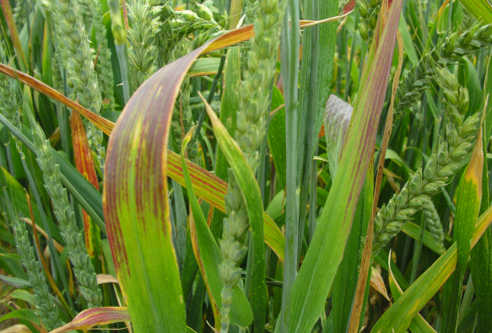
BYDV is spread by cereal aphids and can cause significant yield losses in all cereal crops, particularly autumn sown crops. By the time symptoms appear (leaf yellowing, reddening, stunting) about three weeks after infection, the damage is already done. Cereals are most vulnerable from tillering to GS 31 and warmer winters sustain aphid populations longer, widening the window for both initial and secondary infection.
FAR's Aphid Watch programme tracks aphid flight activity by region. Combine this data with regular crop inspections to time applications. Spray promptly if aphids are present and do not assume one application will be enough in a high-pressure season.
Many autumn sown crops are established with neonicotinoid seed treatments, providing around six weeks of protection (to approximately GS 21). Neonicotinoids are Group 4 insecticides, so your first foliar application should come from a different mode of action group, not another Group 4.
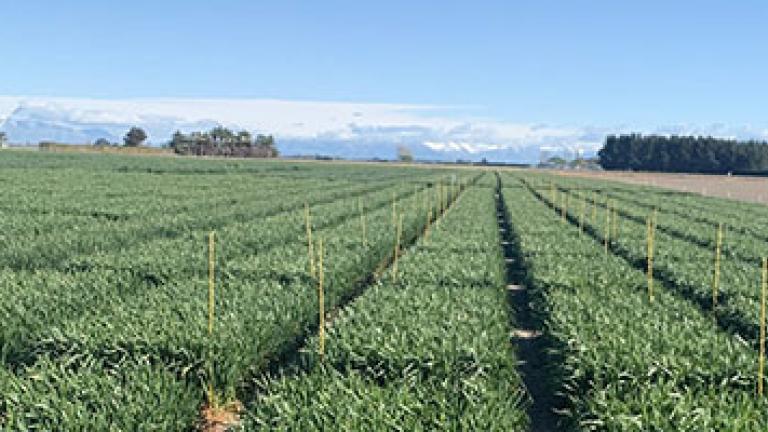
Give your foliar programme a solid start with KARATE ZEON®. A Group 3 synthetic pyrethroid (SP) insecticide, it provides rapid knockdown of aphids alongside repellency and anti-feeding activity. Applied at 20 to 40 mL/ha, FAR trials in autumn sown wheat have demonstrated KARATE ZEON® offers persistence of up to 25 days, thanks to lower temperatures and reduced UV degradation. Repeat applications are permitted, though sole reliance on this Group elevates the risk of resistance building.
The critical rule: Do not rotate KARATE ZEON® with other Group 3 insecticides. Alternating with a product from the same mode of action will not slow the development of resistance within aphid populations. To properly manage resistance, rotate KARATE ZEON® with an aphicide from a different mode of action group. PIRIMOR®, a Group 1 selective aphicide, is a good option applied at 200 to 250 g/ha providing contact, translaminar and fumigant activity. PIRIMOR® performs best above 15°C, making it well suited for application as temperatures start to rise later into spring.
This sequencing supports integrated pest management. Early in the season, when BYDV risk is at its peak and beneficial insect populations are still low, an early KARATE ZEON® application is unlikely to have a significant impact on them. PIRIMOR® is selective to aphids, making it the right choice later in the season when beneficials are active in the crop.
With a super El Niño on the forecast and last season's BYDV losses still fresh, reactive spraying is a risk you do not need to take. To protect yield and reduce loss remember the following four things:
- Check Aphid Watch data
- Monitor crops early
- Sequence your modes of action from the very first foliar application
- Keep the interval between sprays tight during high pressure periods
Used in rotation, KARATE ZEON® and PIRIMOR® give you a proven programme. The results, though, depend on getting the timing and sequencing right.
For more information, contact your local Syngenta Territory Sales Manager.