Operation Pollinator signals species diversity
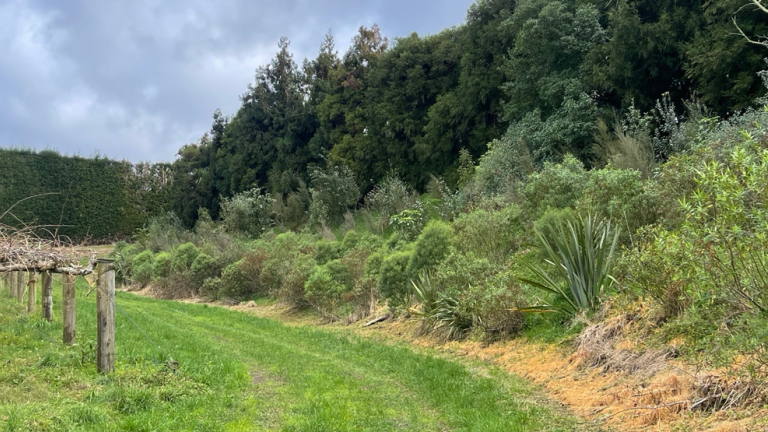
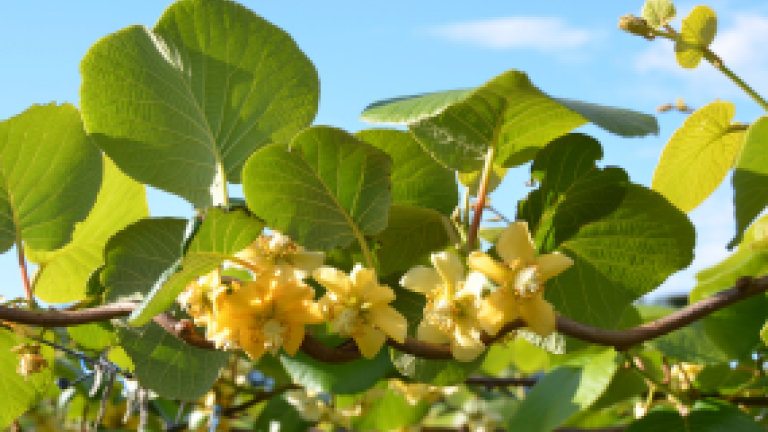
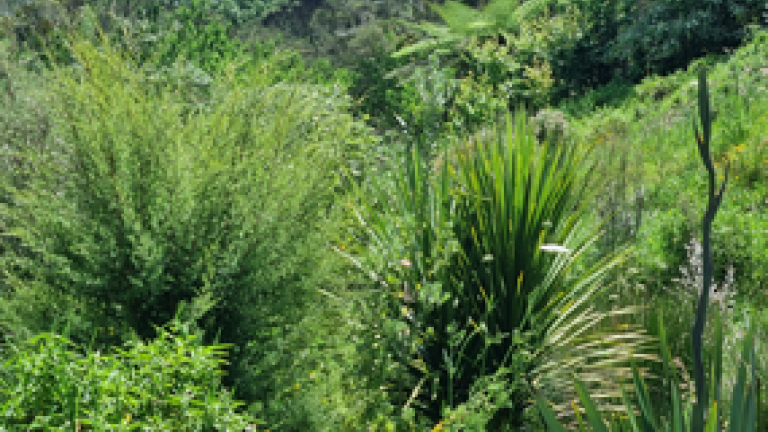
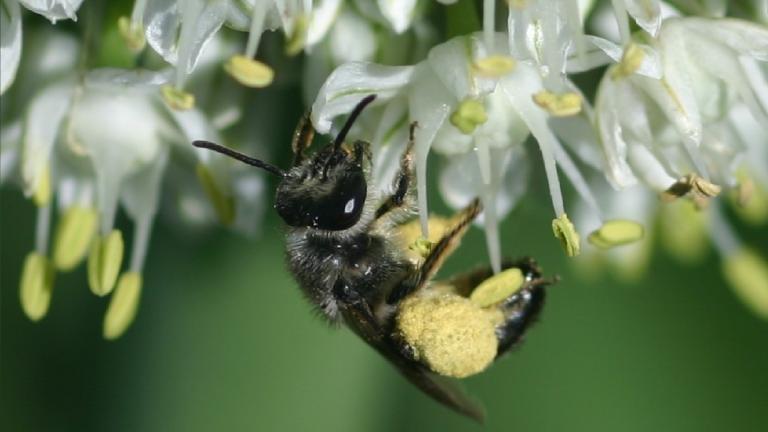
The fourth season of window trap and observation surveys for Operation Pollinator™ have continued to demonstrate that planting native species near kiwifruit orchards provides habitat and resources for a greater diversity of insects, including insects known to pollinate kiwifruit.
The Operation Pollinator™ NZ project commenced in late 2018 in partnership with Plant & Food Research investigating the concept that having a range of pollinators visit kiwifruit flowers will support the pollination carried out by honey bees. Some other pollinators will work in conditions that honey bees do not like, and many are known to be very efficient pollinators of other crops.
Pollinator surveys began in 2019, prior to the establishment of native plantings in kiwifruit blocks in 2020. Observations are taking place on kiwifruit orchards, with and without nearby diverse native plantings, which provide additional food and habitat for various pollinators and beneficial insects.
The native plantings were selected from evidence-based planting lists for different regions to suit local conditions, availability and length of flowering period while avoiding plant species known to support key pests of kiwifruit, including passion vine hopper (PVH).
The native sites are still to reach maturity, but the results suggest a growing presence of species diversity along with the number of these insects, despite the regular placement of honey bee hives in the orchards.
This season, only one site was monitored as other sites had been cut over to new kiwifruit varieties and were not in production. The survey results were similar to the previous year and showed;
- Honey bees were the most abundant pollinator visiting flowers.
- Window trap data indicated the orchard block with established native plantings had higher insect species richness.
- Observational surveys showed the number of wild pollinating species visiting kiwifruit flowers is nearly always higher than control block.
- There have been variations in pollinator richness, likely due to environmental or weather variations.
The expectations of the Plant & Food Research team are that as plants mature and floral resources develop, a greater diversity of wild pollinating species will be supported within orchard blocks.
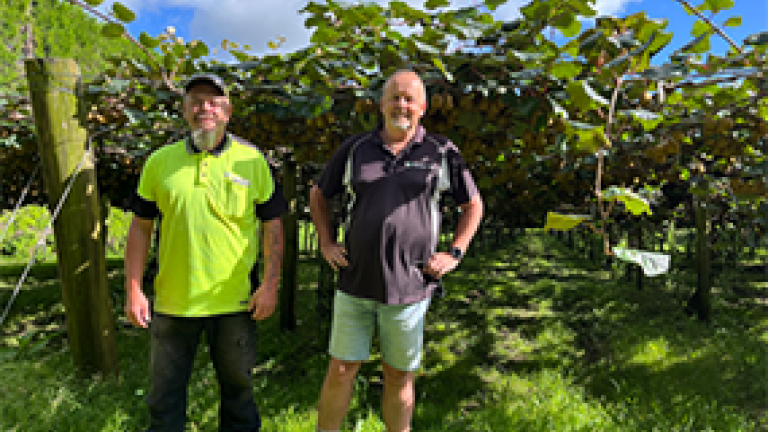
Last year, Syngenta once again enlisted the help of the Fruitfed Supplies Crop Monitoring team in the Bay of Plenty to monitor the Bay of Plenty site who continue to offer a very professional standard of service lead by Anton Herselman.
The team also inspected the native planted site for the presence of PVH nymphs to understand if any of the planted species were acting as a host to this key pest in Kiwifruit. While a few were found, they were not of significance but yearly inspections will continue.
What next?
We are taking a break from monitoring sites this year over flowering, which will allow planted sites to mature and cut over blocks to become established once again.
Want to know more?
If you are considering planting in your orchard the trial planting guide is available in the Zespri “Plants with Purpose – A guide for native and shelterbelt planting on NZ kiwifruit orchards” or contact Syngenta NZ for more information. As more monitoring is undertaken, we will provide updates on the Syngenta website.
Acknowledgements
Thanks once again to Brad Howlett, and Sam Read from the Beneficial Biodiversity Team at Plant & Food Research for leading the research on this project and for the growers who have provided trial sites.
For information on Operation Pollinator™ click here.